Dandy Hats: Why the Back of a Cap Matters

Dandy Hats: Why the Back of a Cap Deserves as Much Attention as the Front
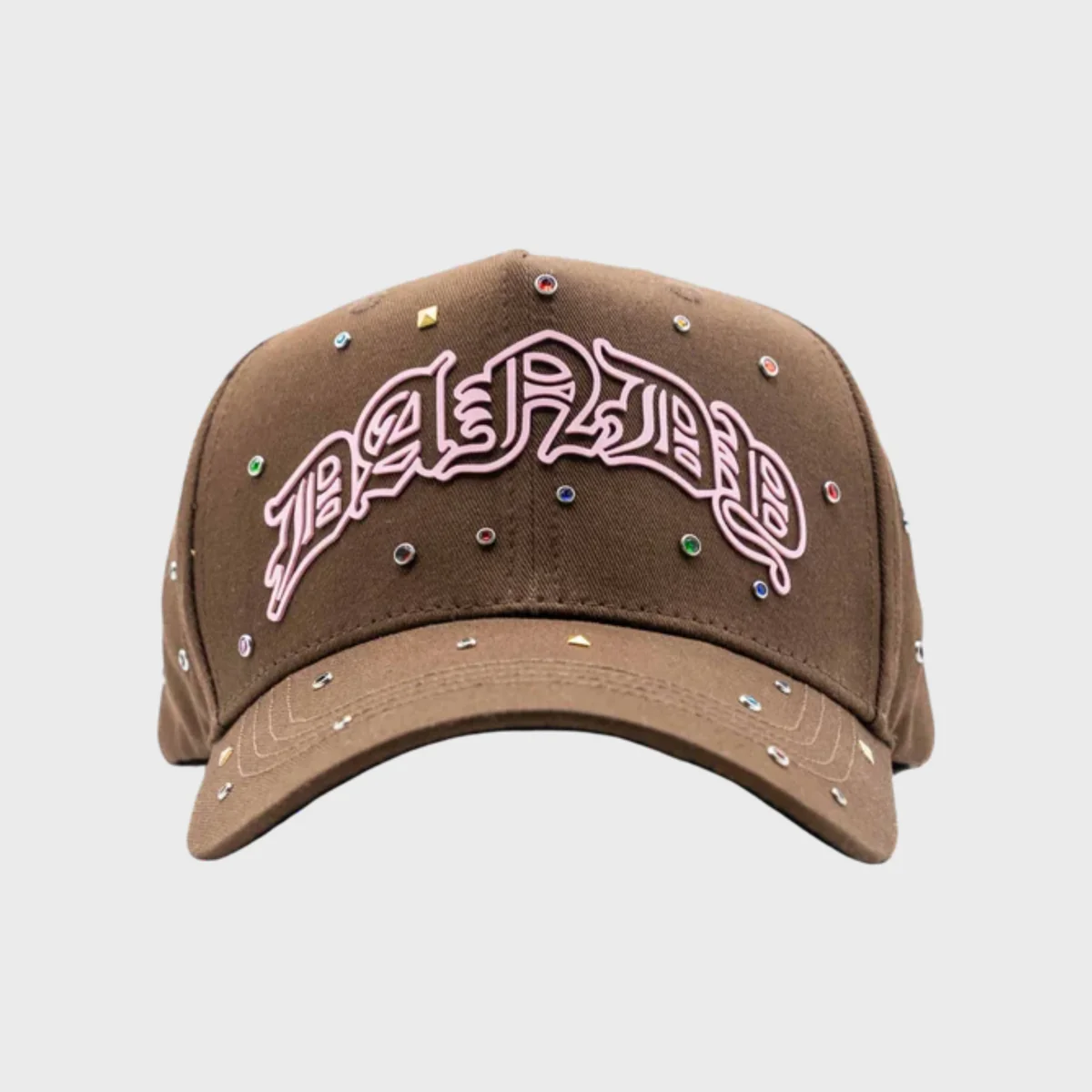
The front of a fitted cap usually gets the first look. Logos, lettering, and embroidered graphics naturally draw attention, making the front panel the most obvious place to begin when evaluating a design. Yet a cap is not a flat image. Its shape wraps around the head, and the details at the back help complete the design.
For Dandy Hats, looking beyond the front panel offers a different way to examine headwear. Rear embroidery, closure or sizing construction, panel transitions, and the relationship between the crown and brim can all influence how a cap looks from different angles. These details may be less immediately noticeable, but they contribute to the overall impression of the finished piece.
A Cap Is Designed to Be Seen From Different Angles
Product photographs often place the front of a cap at the center of attention. This makes sense because the main graphic or logo usually appears there. However, people encounter headwear from the side and back in everyday settings, too.
The rear profile can reveal whether the design continues around the crown or keeps its decoration concentrated at the front. Side views may show additional artwork, lettering, or changes in color. Together, these elements determine whether the cap feels visually consistent from one angle to another.
A design does not need decoration on every panel to feel complete. Leaving parts of the cap relatively simple can create contrast and give the main graphic room to stand out. The important consideration is whether the different areas work together.
When examining Dandy Hats products, viewing the available front, side, and rear photographs can provide a more complete understanding of the design than relying on a single image.
Rear Details Can Change the Overall Impression
Small design elements at the back can serve several purposes. A short line of embroidery might introduce a secondary message, while a small emblem can echo the main artwork without repeating it exactly. A simpler rear panel, meanwhile, can keep attention focused on the front.
Placement matters as much as the detail itself. Artwork positioned too close to another design element may create a crowded appearance, whereas sufficient spacing can help both features remain distinct.
Color choices also influence the result. Matching thread can produce a quieter effect, while contrasting thread makes the detail easier to notice. Neither approach is universally preferable; the right choice depends on the design’s intended appearance.
These principles are useful when comparing fitted caps because they encourage a closer examination of the whole product rather than a judgment based entirely on its most prominent graphic.
Construction and Decoration Are Not the Same Thing
The rear of a cap can reveal practical features as well as decorative choices. Depending on the product, this area may include a fitted opening, a closure system, ventilation details, or visible stitching.
These features should not be confused with additional graphics. Embroidery affects the visual design, while sizing and construction features influence how the cap fits or how its components are arranged.
For fitted headwear, checking the available sizing information is particularly important. A cap may look appealing in photographs but still be unsuitable if its size does not match the wearer. Buyers should consult the product’s actual size guidance rather than assuming every fitted cap follows identical measurements.
Photographs can help identify visible features, but they cannot independently confirm the strength of stitching, the quality of internal materials, or long-term durability. Those questions require reliable product specifications or direct evidence.
Why a Consistent Design Matters
A cap with a prominent front graphic can still look considered when the remaining panels use a simpler approach. In fact, restraint can make the main artwork more effective because the eye has fewer competing elements to process.
The reverse is also possible. A design that carries complementary details across the front, sides, and back can create a more elaborate appearance, provided the elements share a coherent visual direction.
For Dandy Hat, the useful question is not whether every panel should contain something. It is whether the available details contribute to the same overall design.
This distinction also matters when comparing different products. Two caps might use similarly sized front graphics but feel quite different because one includes additional side embroidery while the other keeps its design concentrated in one area.
How to Inspect a Cap Before Buying
Online shoppers can make better-informed comparisons by checking several features rather than focusing on the front graphic alone.
Start with the main design, then inspect the side profile and rear panel. Look for additional lettering, changes in color, visible seams, and the shape of the crown. Check the brim from different angles and review the published sizing information.
It is also useful to distinguish what a photograph actually shows from what it merely suggests. A close-up may reveal the appearance of embroidery, but it does not establish how well that embroidery will withstand repeated use. Similarly, an image of a structured crown cannot establish the precise materials inside it unless the product information confirms them.
These checks help buyers compare products on observable characteristics and documented specifications rather than relying entirely on promotional imagery.
Looking at the Complete Design
The front of a fitted cap may establish its identity, but the rest of the product completes its appearance. Rear details, side panels, proportions, and construction features all contribute to how the cap looks and fits.
Examining DandyHats from this broader perspective offers a more useful way to evaluate individual designs. Instead of asking only whether the front graphic stands out, consider how the entire cap comes together when viewed from every angle.
Sometimes, the most effective design choice is an additional embroidered detail. In other cases, an uncluttered rear panel creates the right balance. The difference comes down to how each element supports the overall design rather than how many details the cap contains.