Drop Dead Clothing | How It Built Its Cult Following

How Drop Dead Clothing Became a Big Brand
Drop Dead Clothing did not become recognizable by trying to look like every other fashion label. Its growth came from something much harder to manufacture: a real connection between the people behind the brand, the music scene around them, and the people who wanted to wear the same clothes.
The story goes back to the mid-2000s, when Oli Sykes, the frontman of Bring Me The Horizon, started developing clothing around the alternative culture he was already part of. What began on a small scale eventually became an international fashion name associated with distinctive artwork, unusual garments, collaborations and a loyal audience.
It Started With Music
One of the biggest reasons Drop Dead Clothing had an early advantage was that it was connected to an audience before it became a major clothing business.
Oli Sykes was already active in the alternative music world through Bring Me The Horizon. That meant the brand was not being introduced to a completely unknown audience. People who followed the band were already interested in the same cultural environment that influenced the clothing.
The first Drop Dead pieces were relatively simple compared with what the brand would eventually produce, but they had somewhere important to appear: shows, music communities and the growing online culture surrounding alternative music.
Instead of spending years trying to convince strangers that the brand was relevant, Drop Dead could grow inside a community where its aesthetic already made sense.
The Internet Helped It Travel
The timing also mattered.
Drop Dead emerged during the period when MySpace and other online communities were becoming extremely important to young music fans. Alternative bands could reach people internationally without depending entirely on traditional magazines, television or major retail stores.
That gave a small clothing label an unusual opportunity.
Someone could discover Bring Me The Horizon, encounter Drop Dead through the same community and then find the clothing online. A person who had never seen the brand in a local shop could still become familiar with it.
The internet therefore became more than a place to sell products. It helped create the culture around the brand.
The Designs Were Not Trying to Be Ordinary
Another important part of Drop Dead’s growth was its willingness to make clothing that looked like Drop Dead.
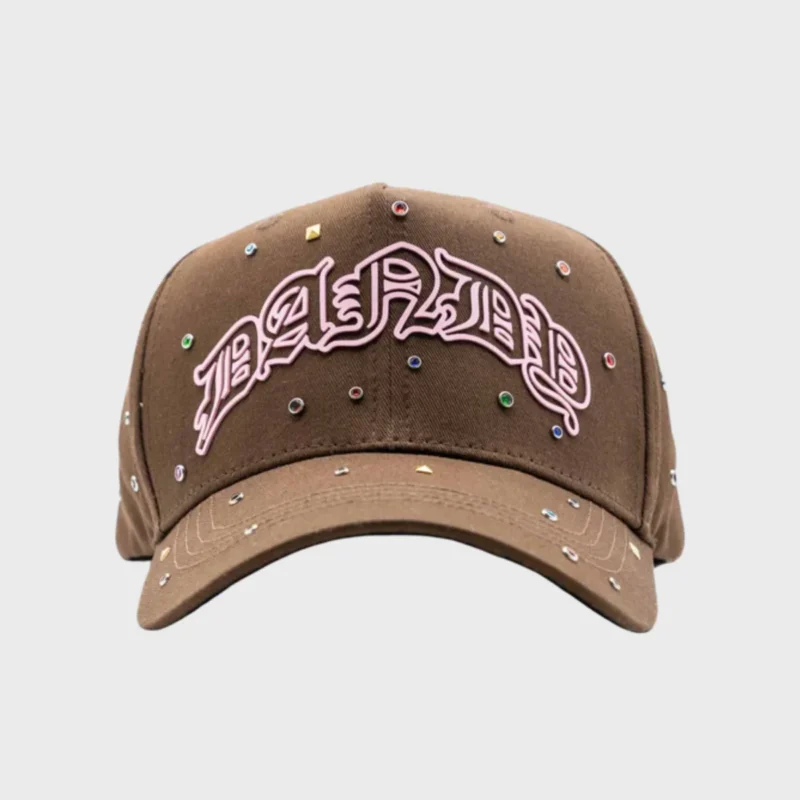
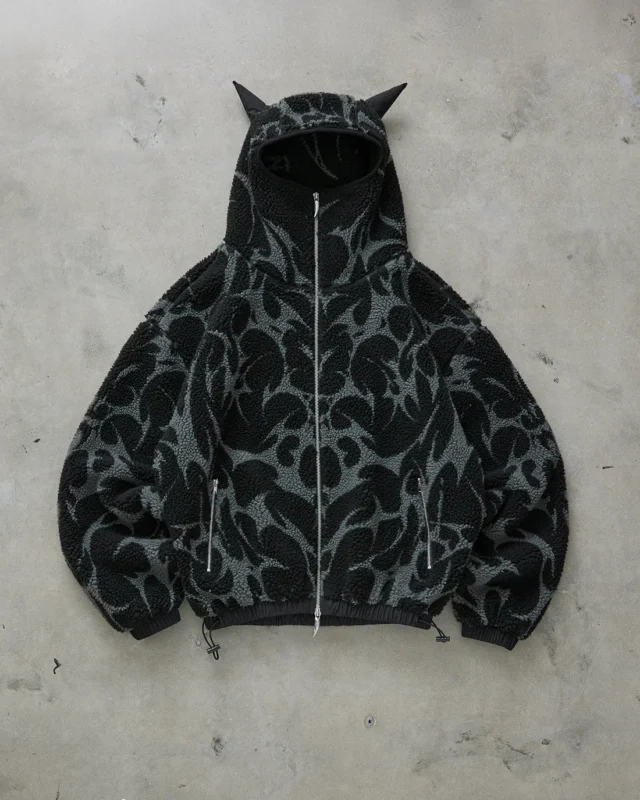
The brand became associated with dark, strange, playful and sometimes unsettling artwork. Characters, creatures, horror influences and unusual illustrations appeared across different collections.
That gave customers something to recognize.
A plain T-shirt with a small logo can be difficult to remember because thousands of brands can produce something similar. A strange illustration or recognizable character creates a different reaction. People can remember the image even when they are not thinking about the company behind it.
That distinction helped Drop Dead develop an identity that extended beyond its name.
From T-Shirts to Pieces People Wanted to Keep
DropDead also had to prove that people would buy more than occasional graphic T-shirts.
One of its better-known examples was the Cats and Bats hoodie. The piece became strongly associated with the brand and demonstrated that a particular garment could become much more than another item in an online store.
This was an important step.
A successful fashion brand needs products that people remember. When one item becomes recognizable, it can introduce someone to the rest of the catalog.
Instead of thinking only about individual sales, Dropdead Clothing was building a collection of pieces that could make people explore what else the brand had produced.
The Audience Became Part of the Brand
People did not simply buy Drop Dead because they needed another hoodie.
For many early customers, the clothing represented an interest in alternative music and the culture surrounding it. Wearing the brand could communicate something about the person’s taste without requiring them to explain it.
That is a powerful position for a clothing company.
When customers feel that a brand belongs to their world, they are more likely to talk about it, wear it to events and introduce other people to it. The product becomes part of the community rather than remaining an isolated item on a website.
This helped create a cycle:
music audience → clothing discovery → customers wearing the pieces → more people discovering the brand.
Drop Dead Expanded Its Reach
As the brand became more established, it was no longer limited to its original audience.
Drop Dead Apparel developed a broader clothing catalog and began working with recognizable entertainment properties and other cultural names. Collaborations involving franchises such as Jurassic Park, Gremlins, Sonic and The Simpsons introduced the label to people who might not have discovered it through alternative music.
This was an important evolution.
The original identity remained important, but collaborations gave people additional reasons to visit the brand.
Someone might discover a collection because they love a particular film, game or television property and then start exploring the rest of Drop Dead.
Celebrities Added Another Layer of Visibility
Celebrity visibility also helped push Drop Dead beyond its original scene.
As well-known musicians and entertainers began wearing the brand, the clothing could reach people who had never followed Bring Me The Horizon.
This changed the potential audience.
A person did not necessarily have to be part of the original alternative-music community to recognize a Drop Dead piece. The clothing had become interesting in its own right.
That transition is difficult for independent brands. They have to grow without losing the characteristics that made the original audience care about them.
Drop Dead managed to expand while keeping its unusual visual identity at the center of the brand.
It Did Not Stay Exactly the Same
Perhaps one of the most important reasons Drop Dead remained relevant is that it did not treat its original look as something that could never change.
Fashion moves quickly. Music scenes change. Internet culture changes. Customers who discovered a brand at seventeen may have completely different tastes several years later.
Repeating the same graphic, the same silhouette and the same idea forever can eventually make a brand feel stuck.
Drop Dead has repeatedly experimented with different aesthetics, products and collaborations while maintaining a recognizable connection to its earlier work.
The result is a useful balance: the brand can look different from one period to another without feeling like it has completely abandoned where it came from.
Why Drop Dead Clothing Became a Big Brand
There was never one single reason behind Drop Dead’s growth.
Its success came from several things working together.
The brand had an existing connection to music through Oli Sykes. It entered the market at a time when online communities were becoming powerful. Its artwork gave people something recognizable to wear. Individual products created memorable moments. Collaborations opened new audiences. Musicians and celebrities increased visibility. And the company continued changing instead of depending forever on its earliest designs.
Most importantly, Drop Dead gave people a reason to care about the clothing beyond the basic function of getting dressed.
That is the difference between selling clothes and building a fashion brand.
What Other Clothing Brands Can Learn From Drop Dead
The biggest lesson from Drop Dead is not that every new clothing company needs a famous musician behind it.
Most do not.
The more useful lesson is that a brand needs something real at its center.
Drop Dead had music, artwork, a particular community and a founder whose own interests were directly connected to the products. Those elements gave the brand somewhere to start.
A new clothing company cannot simply copy the visual style and expect the same result. What worked for Drop Dead worked partly because it belonged to a specific person, time and community.
The better approach is to build around something that already has meaning.
Create products people can recognize. Give the audience a reason to return. Develop designs that are identifiable without constantly depending on the logo. Let the catalog evolve. And most importantly, build an identity that would still make sense if the brand name disappeared from the product for a moment.
From a Small Idea to an International Name
Drop Dead Clothing’s journey shows how a small fashion project can grow when its products, audience and culture reinforce one another.
It started close to the alternative music scene, found an audience through the internet, developed recognizable designs, created memorable garments and eventually reached far beyond its original community through collaborations and wider cultural exposure.
The brand became bigger because people did not just see Drop Dead as another clothing company. They saw pieces of a culture they already followed—or, for new customers, a visual world worth discovering.
That is what turned a small clothing idea into a brand with international recognition.