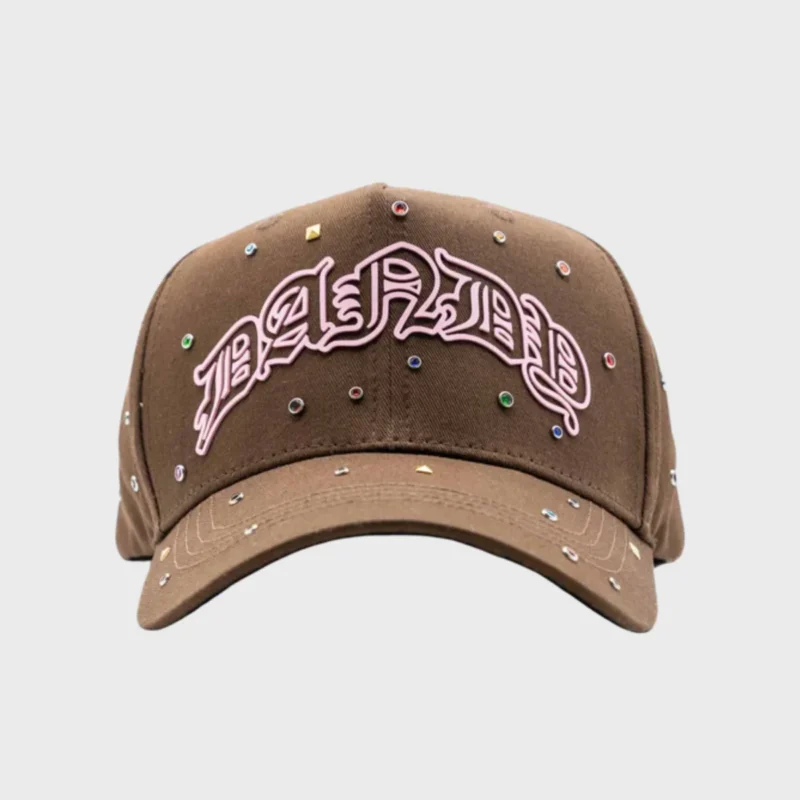
Why Dandy Hats Became a Standout Streetwear Brand

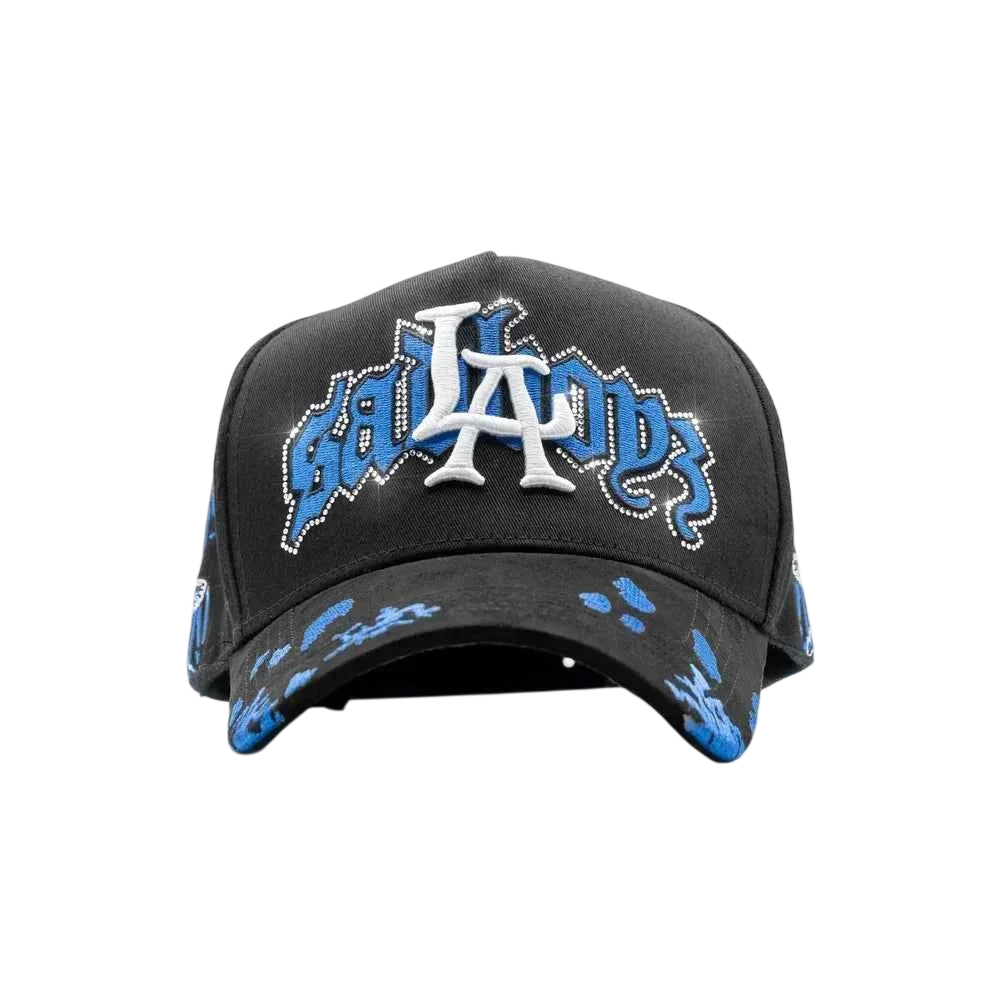
Dandy Hats did not become recognizable by treating a hat as an afterthought. The brand built its identity around the idea that headwear can carry as much visual weight as the rest of an outfit. Founded in 2015 by Leonardo “Leo” Sandoval in Los Angeles, Dandy Hats developed from a hands-on hat business into a name associated with custom designs, limited releases, collaborations, and contemporary streetwear culture.
What makes the story interesting is not simply the number of hats the brand has released. It is the way Dandy Hats connected a focused product category with culture. Instead of trying to become everything at once, the brand kept returning to hats while allowing the designs, collaborations, and communities surrounding them to expand.
It Started With the Hat, Not a Huge Fashion Catalog
One of the clearest differences between Dandy Hats and broader clothing labels is its concentration. The brand made headwear the center of its identity rather than using hats as one small category among shirts, jackets, pants, and accessories.
That focus matters because a customer can recognize the brand through the product itself. Dandy Hats has built collections around structured silhouettes, embroidery, graphics, color combinations, and recognizable motifs. The result is a product that can become the most noticeable part of an otherwise simple outfit.
The early story was also highly hands-on. Sandoval has described driving across Los Angeles to deliver individual hats while making relatively small profits per sale. That stage of the business was far removed from the scale associated with the brand today, but it explains an important part of its growth: Dandy Hats was built through direct selling and repeated effort before larger cultural attention arrived.
Los Angeles Gave the Brand a Real Starting Point
Dandy Hats’ connection to Los Angeles is more useful than simply calling it a “California streetwear brand.” The city provided the environment in which the business developed, sold products, and eventually connected with musicians, athletes, and different parts of Latino and streetwear culture.
That local foundation gave the brand a physical identity before it reached wider audiences. Its current collections still include Los Angeles references, while the company has also described its ambition to reach customers internationally.
This is one reason the brand’s growth is worth studying. It did not begin with a worldwide audience and then manufacture a backstory around it. The broader recognition came after the business had already spent years developing its product and customer base.
The Growth Moment Came When Culture Caught Up
A major part of Dandy Hats’ expansion came through social media and the rise of contemporary regional Mexican music. Sandoval has discussed TikTok as an important growth channel around 2021, describing Dandy as one of the early hat brands using the platform. The timing was significant because corridos tumbados and related Mexican music culture were reaching increasingly large audiences.
This created an environment where a visually recognizable hat could travel quickly between music, social media, streetwear, and everyday fashion.
But social media alone does not explain the growth. A product still needs something worth recognizing. Dandy Hats already had a focused category, distinctive designs, and a willingness to release changing collections. Social platforms gave those elements a much larger stage.
Collaborations Turned Hats Into Cultural Pieces
Collaborations became another major part of the brand’s identity. The Dandy Hats X Junior H relationship is particularly important because it connected the hats directly with the Sad Boyz aesthetic and Junior H’s audience. Releases such as Sad Boyz, Ángel Azul, and Clave Ali demonstrate how a collaboration can give individual designs a meaning beyond the physical product.
The same strategy extends beyond music. Dandy Hats has also been associated with collaborations involving figures such as Canelo Álvarez and Fuerza Regida, showing how the brand can move between music, boxing, Mexican-American culture, and Los Angeles streetwear without abandoning its core product.
That is a significant distinction. The collaboration is not replacing the brand’s identity; the hat remains the common thread.
Limited Drops Give the Brand Momentum
Another reason Dandy Hats has been able to maintain attention is its use of drops and changing releases. Instead of relying only on a permanent collection, the brand has repeatedly introduced designs that give customers a reason to watch for what comes next.
This creates a different relationship with the product. A customer may buy one hat because they like the design, then become interested in another release because it represents a different collaboration, colorway, or cultural reference.
The approach also makes the catalog feel like a sequence of moments rather than one static collection. Dandy Hats’ current and past releases include designs such as El Mago, LA Triple Black Diamonds, LA Crystals, and collaborations connected to Junior H.
Why Dandy Hats Feels Different From Generic Hat Brands
The strongest argument for Dandy Hats’ uniqueness is not that no other brand makes embroidered caps or limited releases. Plenty do.
The difference is how several elements have been combined around one product: Los Angeles roots, a founder-led story, custom headwear, limited drops, social-media growth, music collaborations, and connections to Mexican and Latino culture.
That combination gives the hats context.
A Dandy hat can function as part of an outfit, but certain releases can also represent a particular artist, moment, community, or collection. That is a much stronger foundation for brand recognition than simply putting a logo on a standard cap.
From One Hat at a Time to a Recognizable Name
Dandy Hats’ growth is ultimately a story about focus. The business started with one product category and a founder willing to sell directly, learn the industry, and keep developing the brand. Years later, that focus has expanded into collaborations, limited drops, social-media visibility, and an audience that extends beyond Los Angeles.
That progression is what makes Dandy Hats different. Its growth was not built around becoming another general fashion label. The brand made hats the center of the conversation and then used culture to make those hats matter.
That is the more interesting reason Dandy Hats stands out: the product stayed simple enough to recognize, while the meaning around it kept getting bigger.