
31 Hats | How It Became a Big Brand in the US

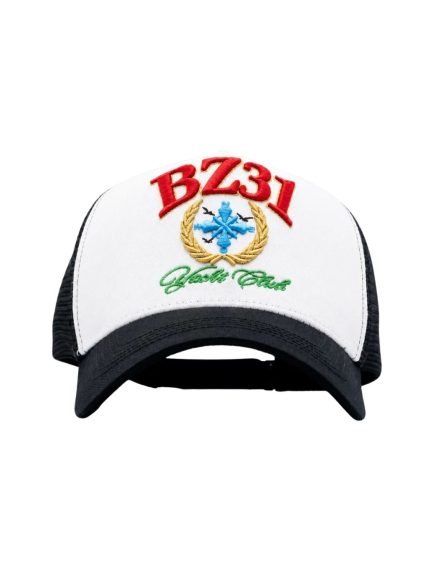
Some hat brands grow because they find a product people already want. Others become recognizable because they build something people can identify from a distance.
31 Hats belongs to the second conversation.
The brand has built attention around headwear rather than treating hats as something added to a larger clothing collection. That focus matters. When a company spends most of its energy on one category, it has more room to experiment with designs, details, and the way its products are presented.
But becoming a big name in the United States takes more than putting a logo on a hat.
It takes recognition, consistency, demand, and enough personality for people to remember the name after they have seen hundreds of other products.
It started with a category people already understood
Hats are not difficult to understand.
People wear them every day, across different parts of the country and for completely different reasons. They can be practical, but they can also become one of the easiest ways to add something noticeable to an outfit.
That gives a hat-focused brand an interesting advantage.
A customer does not have to learn an entirely new type of product before understanding what 31 Hats sells. The challenge is different: giving that familiar product enough identity that customers remember the brand behind it.
That is where branding becomes important.
Recognition does not happen from one product
A single successful hat can attract attention.
A recognizable brand needs more.
Customers need to see enough consistency across different releases that they begin connecting the products with the same name. At the same time, the collection cannot feel like the exact same hat repeated over and over.
That balance is difficult.
If every product looks identical, there is little reason to explore further. If every release feels unrelated, the brand becomes harder to recognize.
31 Hats has been able to build its presence by making the hat itself the center of the brand rather than allowing the category to become an afterthought.
Social media changed how hats are discovered
The way people find brands has changed dramatically.
A customer does not necessarily begin with a Google search for a specific company. They may see a hat in a photograph, notice someone wearing it, come across a product in a video, or discover a new release while scrolling through social media.
Headwear works particularly well in that environment because the product is visible even when the rest of an outfit is not.
A hat can appear in a portrait, a short video, a street-style photograph, or a casual post and still remain recognizable.
For a growing brand, that creates repeated opportunities to put the name in front of new people.
The U.S. market rewards recognizable products
The United States is an enormous market for headwear, but that also makes it crowded.
Customers have an almost endless number of choices. Established sports brands, streetwear companies, independent designers, fashion retailers, and smaller hat labels are all competing for attention.
A brand cannot rely on simply existing.
It needs a reason for someone to remember it.
That reason might be a particular design approach, a recognizable logo, a limited release, an unusual combination of details, or the way the brand presents its products.
The strongest brands usually give customers something specific to associate with their name.
Consistency is more important than constant reinvention
There is a temptation for growing brands to change everything whenever they want to attract attention.
That can create short-term excitement, but it can also make the brand difficult to recognize.
A stronger approach is to keep the underlying identity familiar while allowing individual products to change.
That gives customers two things at once: something they recognize and something new to discover.
For 31 Hat, keeping the focus on hats gives the brand a clear starting point. New designs can change the appearance of the collection without forcing the company to explain what category it belongs to every time.
Limited availability can create attention
Scarcity has always played a role in fashion.
When a product is available everywhere for a long time, it can feel less urgent. When a release has limited availability, customers may pay closer attention because they know they might not have unlimited opportunities to buy it later.
But scarcity only works when the product itself creates interest.
A limited hat that nobody wants does not become valuable simply because fewer units exist.
The product has to come first.
That is why recognizable design and strong presentation matter alongside any release strategy.
A big brand is built through repetition
People rarely remember a company after seeing its name once.
They remember it after encountering it repeatedly.
Maybe they first notice a product online. Later they see another design. A friend wears one. They encounter the brand again while browsing. Eventually, the name becomes familiar.
That process may look ordinary from the outside, but it is one of the foundations of brand growth.
Thirty One Hats does not need every person who sees the name to become a customer immediately. Recognition itself is part of the process.
The next time that person sees a 31 Hats product, they are no longer seeing an unknown brand.
The hat has to survive outside the marketing
This is where many brands face their biggest challenge.
Good photography can make almost any product look interesting for a moment. Strong marketing can generate clicks. But long-term growth depends on what happens after the customer receives the product.
Does the customer like wearing it?
Would they buy another?
Would they recommend it?
Would they remember the brand when they want another hat?
Those questions are more important than a single campaign because they determine whether attention turns into an actual customer base.
From a hat company to a recognizable name
Becoming a big brand in the U.S. is rarely the result of one trick.
It is usually the accumulation of many smaller decisions: knowing the product category, developing recognizable designs, presenting releases properly, staying visible, understanding what customers respond to, and giving people a reason to come back.
31Hats shows why focusing on one category can be powerful.
A hat is a relatively simple product, but the brand behind it does not have to be simple.
When customers begin recognizing the name before they even read the product description, something important has happened. The company is no longer competing only on the individual hat.