






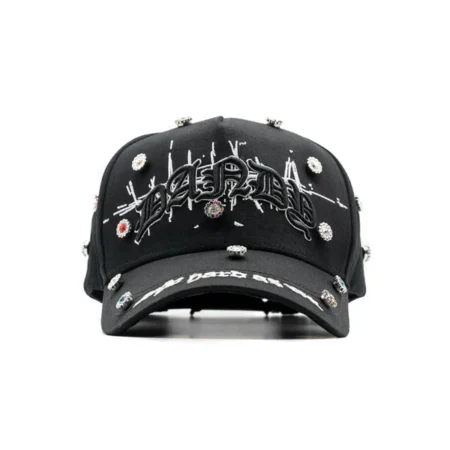
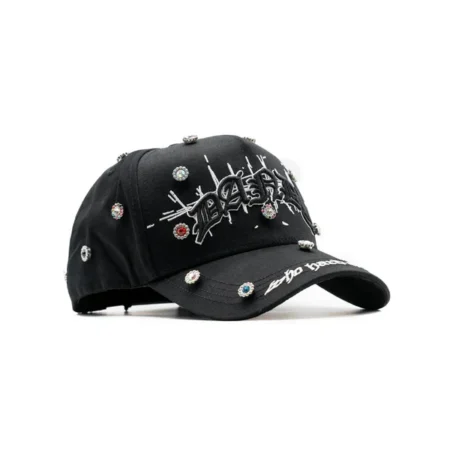
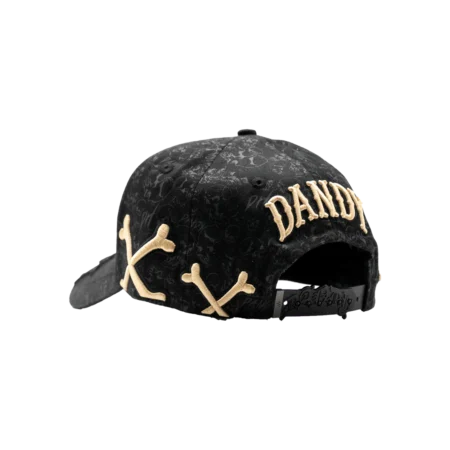

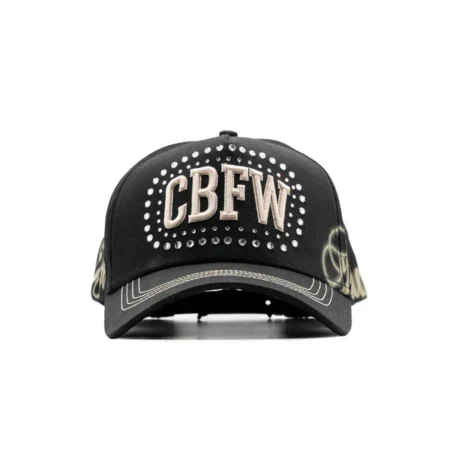
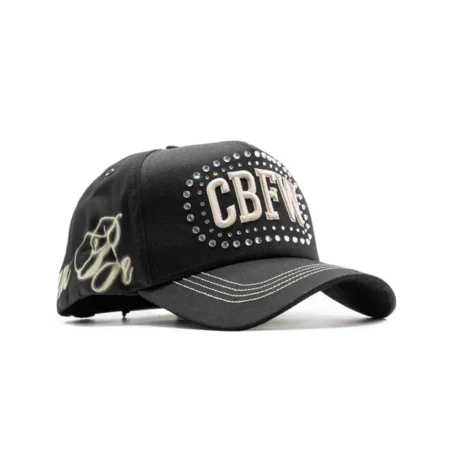
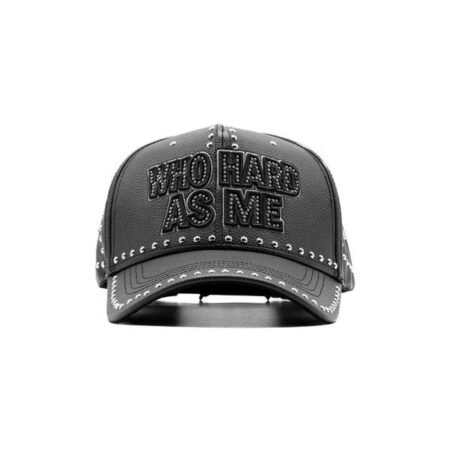
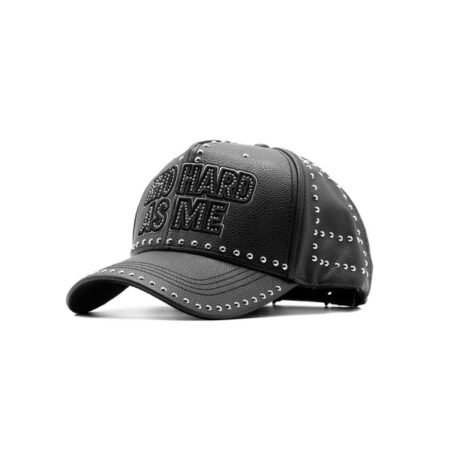
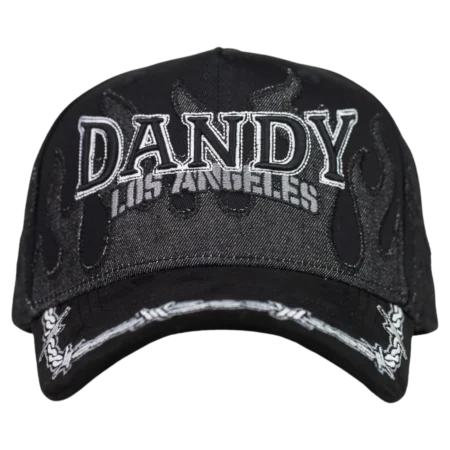


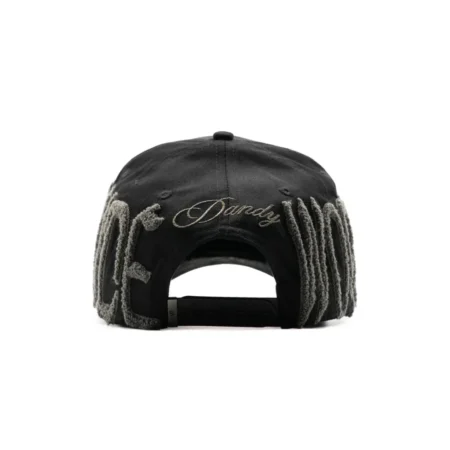
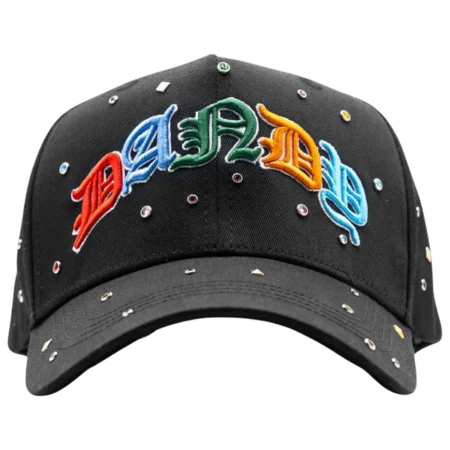
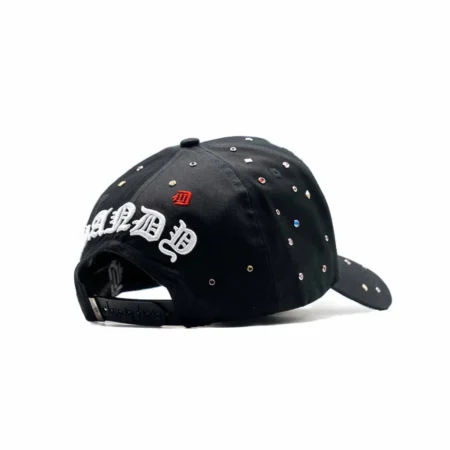

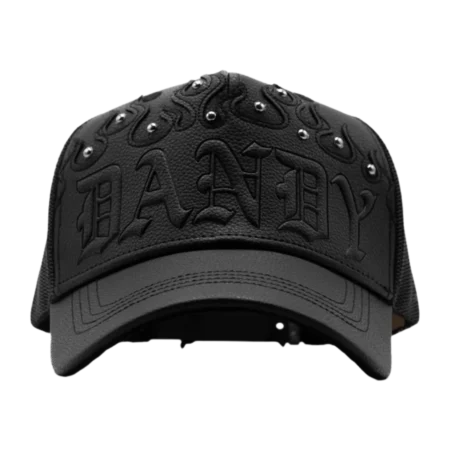
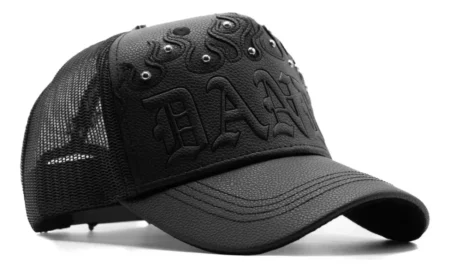

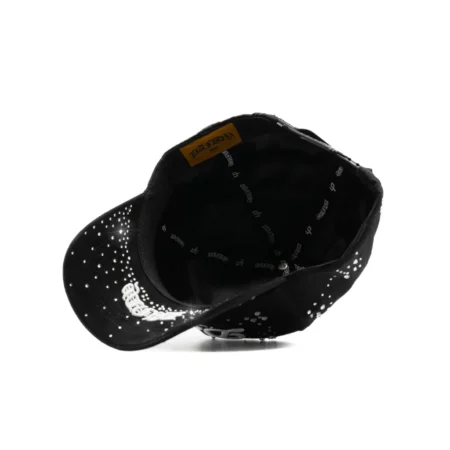

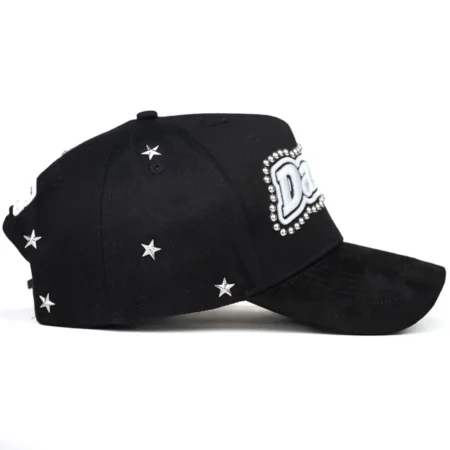

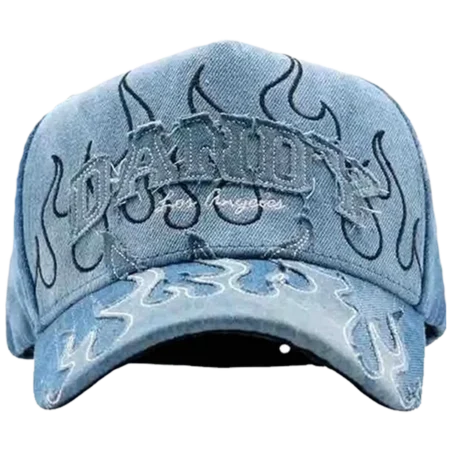
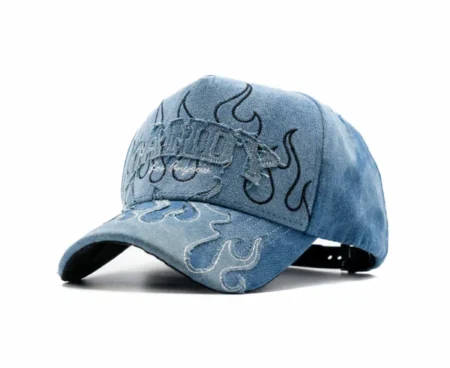

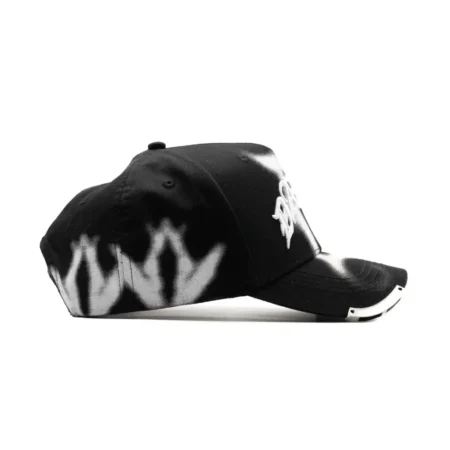
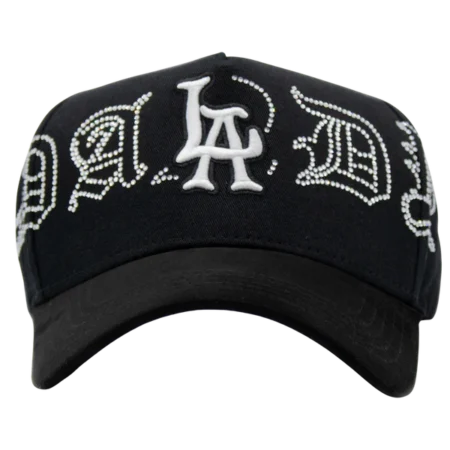
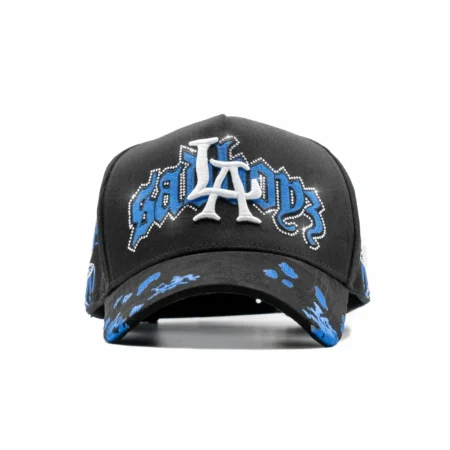
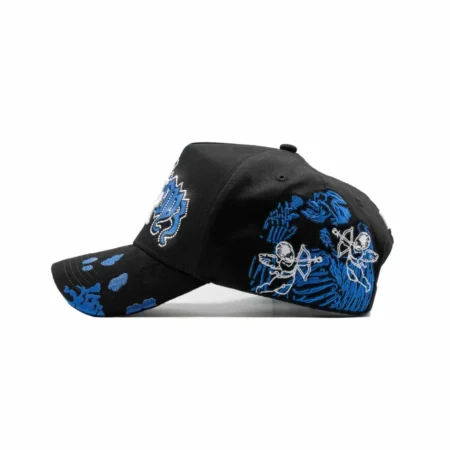

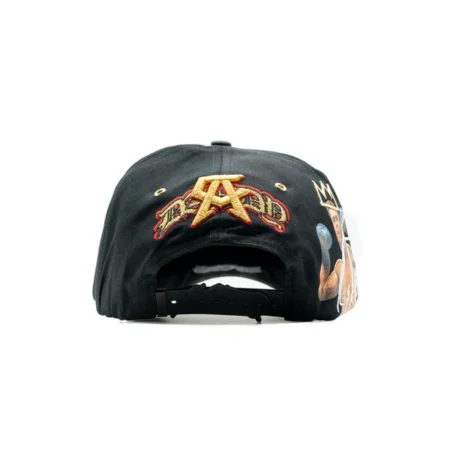
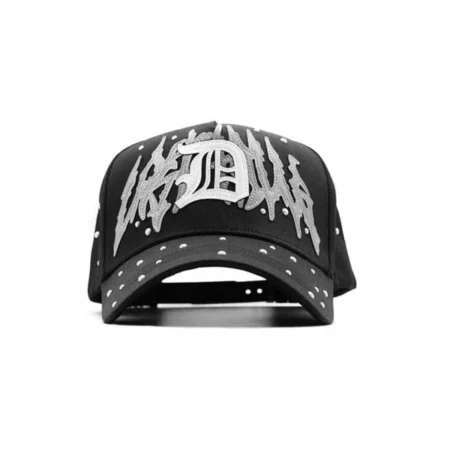
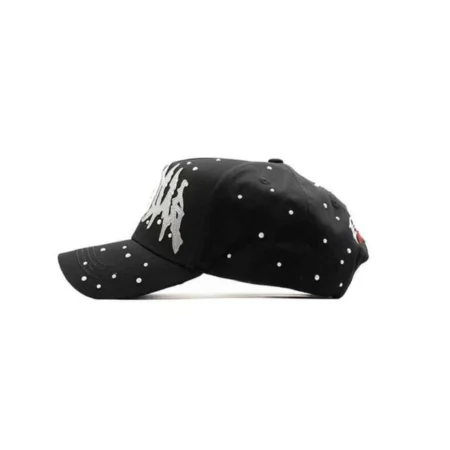

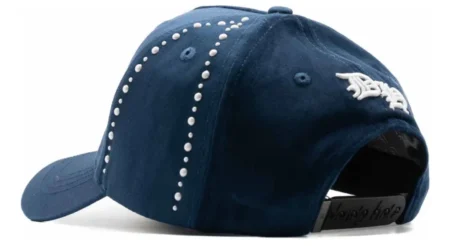
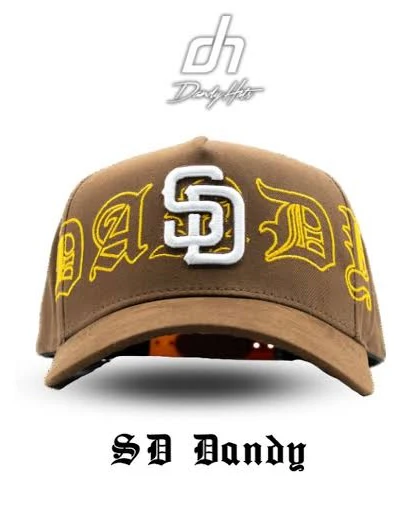
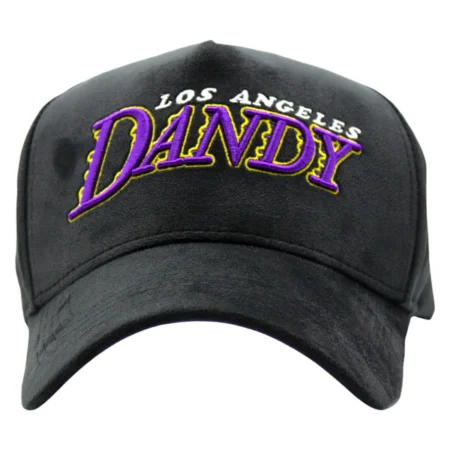
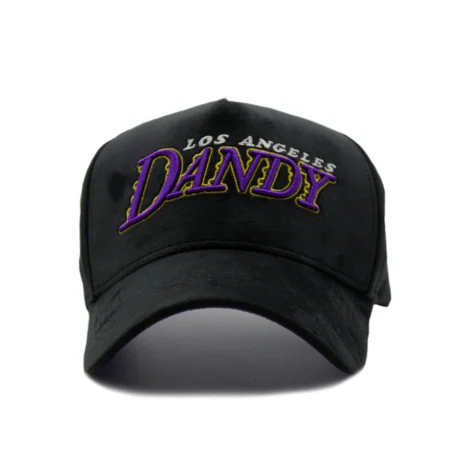

Dandy Hats
Emerging in Europe during the 18th and 19th centuries, these hats were emblematic of the dandy movement—a social and cultural phenomenon where men expressed their identity and status through meticulous attention to fashion, poise, and wit. Dandy Hats were far more than mere accessories; they conveyed a statement about the wearer’s personality, taste, and social awareness. Their evolution reflects broader cultural, social, and economic changes, illustrating how fashion can serve as a mirror of societal values.
Characterized By A Distinct Blend Of Fashion
The term ‘dandy’ first appeared in late 18th-century Britain, referring to men who were preoccupied with refining their appearance became an integral part of this identity, with styles evolving alongside broader fashion trends. Early versions were influenced by military uniforms and aristocratic attire, incorporating premium materials such as felt, wool, and Premium Headwear was as much about social signaling as it was about aesthetic preference, allowing men to distinguish themselves in urban and elite social circles.
Rise of the Dandy Movement
The dandy movement was characterized by a distinct blend of fashion, intellect, and social Stars & Studios who embraced this lifestyle prioritized elegance, grooming, and sartorial precision. Dandy Hats was a crucial component, often considered the crowning element of a man’s ensemble. It symbolized refinement, education, and an understanding of cultural nuances. Famous dandies like Beau Brummell set trends that resonated across Europe, making the dandy hat a recognizable and aspirational symbol of style.
Evolution Through the Centuries
- 18th Century: Early often took the form of tricornes or bicornes, sometimes adorned with feathers or ribbons. They were symbols of aristocratic refinement and social status.
- 19th Century: The top hat emerged as the quintessential dandy hat, particularly in London and Paris. Height and proportion were emphasized, and the hat became central to a gentleman’s silhouette.
- Early 20th Century: The industrial revolution influenced the creation of more practical styles, such as bowler hats, homburgs, and fedoras, making fashionable headwear more accessible to the growing middle class.
- Mid-20th Century: Casual fashion trends reduced the prevalence of in everyday wear, yet they remained iconic in formal settings and artistic circles.
- Late 20th to Early 21st Century: Designers revisite incorporating them into modern fashion collections and streetwear, blending vintage sophistication with contemporary trends.
New Drops
- CBFW-DANDY HATS X LIL BABY
- Dandy Aniversario Green
- DANDY DID THIS – DANDY
- DANDY RACING
- DANDY SD
- Veneno Discord Exclusive
Key Characteristics
- Material Quality: Premium materials like felt, wool, silk, and velvet were used to ensure both durability and elegance.
- Shape and Structure: Rounded crowns, stiff brims, and meticulously molded contours are hallmarks
- Decorative Details: Feathers, ribbons, hatbands, and other embellishments often highlight individual style.
- Color Palette: Classic colors such as black, grey, brown, and navy dominate, though bold colors were occasionally embraced by fashion-forward individuals.
- Attention to Fit: The hat must complement facial structure and overall ensemble, emphasizing proportion and aesthetic harmony.
- Versatility: While historically formal have been adapted to suit both casual and ceremonial contexts.
- Symbolism: Beyond fashion, they convey social awareness, refinement, and personality.
Cultural Significance
Were not merely functional; they were cultural symbols. Dandy Hats signified education, refinement, and a nuanced understanding of social norms. Wearing a dandy hat often indicated participation in intellectual pursuits, the arts, or literary Iconic Caps messages about individuality, confidence, and sophistication, reflecting the wearer’s place within both social hierarchies and the evolving landscape of urban life.31 Hats
Influence on Modern Fashion
- Contemporary Adaptations: Designers have modernized combining classic elegance with streetwear aesthetics. Today, they appear in casual, formal, and haute couture collections.
- Pop Culture Presence: Frequently used in films, television, and music videos to evoke vintage style, luxury, and refinement.
- Fashion Icons: Celebrities and style influencers have revived dandy hat trends, demonstrating their versatility and enduring appeal.
- Hybrid Styles: Contemporary hats often merge traditional dandy elements with modern materials, colors, and shapes, appealing to younger audiences.
Types of Hats
- Top Hat: Iconic and formal, often associated with aristocracy and ceremonies.
- Bowler Hat: Rounded crown, practical and stylish.
- Homburg: Distinctive crease and stiff brim, combining formal elegance with versatility.
- Fedora: Adaptable for both casual and formal wear, widely popular in urban fashion.
- Trilby: Smaller brim, chic and modern, often seen in street style.
- Panama Hat: Lightweight and ideal for warmer climates, offering elegance and comfort.
- Cloche Variants: Though traditionally feminine, adapted forms have appeared in male fashion, emphasizing uniqueness and flair.
Materials and Craftsmanship
- Felt: Moldable, durable, and soft; a staple for traditional top hats and fedoras.
- Wool: Affordable yet elegant, suitable for both everyday and formal wear.
- Silk and Satin: Often used for linings and decorative elements, lending a luxurious touch.
- Leather: Incorporated in sweatbands or trims for comfort and durability.
- Feathers and Ribbon: Handcrafted details that highlight individual style and attention to detail.
- Modern Synthetic Blends: Introduced for flexibility, affordability, and weather resistance.
- Handcrafting Techniques: involve meticulous handwork to ensure symmetry, shape, and finish.
How to Style Hats Today
- Pair with tailored suits, blazers, or trench coats to enhance sophistication.
- Integrate into streetwear looks for a retro-modern blend.
- Stick to monochromatic color schemes to emphasize elegance.
- Mix textures like wool, leather, and silk for contemporary appeal.
- Accessorize with pocket squares, scarves, and cufflinks to complement the hat.
- Select hat shapes that flatter your face and enhance overall proportions.
- Maintain hat condition with proper cleaning, brushing, and storage techniques.
Regional Variations and Influences
- French Influence: Emphasizes flamboyance, decorative details, and a flair for fashion-forward statements.
- American Adaptations: Focus on practicality and versatility, blending urban and rural sensibilities.
- Italian Elegance: Known for luxurious materials, precise tailoring, and emphasis on style and craftsmanship.
- Japanese Interpretation: Fusion of traditional headwear with contemporary design, reflecting both cultural heritage and modern aesthetics.
Literature, Art, and Popular Culture
Characters in novels by Oscar Wilde, Charles Dickens, and other authors often wore distinctive hats to signify class, personality, and social standing. Visual artists captured these accessories in Handcrafted Hats elegance, refinement, and cultural identity. In modern pop culture, films, television series, and music videos continue to utilize to evoke nostalgia, luxury, and sophistication.
Collecting and Preserving
- Historical Significance: Antique are prized by collectors and museums for their craftsmanship and cultural relevance.
- Care Guidelines: Proper storage in cool, dry locations and using hat trees or boxes preserves shape and longevity.
- Restoration Techniques: Cleaning, reshaping, and minor repairs maintain authenticity without compromising historical value.
- Auction and Trade: Rare vintage hats often appear in auctions, fetching premium prices for their rarity, condition, and provenance.
- Modern Collectibles: Limited edition are popular among enthusiasts, reflecting a blend of tradition and contemporary style.
- Documentation: Collectors often maintain records of provenance, materials, and historical context to enhance value.
- Exhibitions: Fashion and history museums to educate the public about their cultural and aesthetic importance.
Enduring Legacy of Dandy Hats
Despite the ever-changing fashion landscape, they continue to inspire designers, collectors, and enthusiasts around the world. Understanding the rich history and craftsmanship behind provides insight into broader trends of self-expression, social dynamics, and artistic Contemporary Style celebrated not merely as accessories, but as emblems of elegance, creativity, and enduring cultural significance. Dandy Hats embracing both their historical context and modern adaptations, serve as a bridge between past and present, offering endless inspiration for fashion, lifestyle, and personal expression.